How True Artistry Transforms Luxury Commercial Projects Into Architectural Statements
Many luxury commercial projects look “expensive” and still feel forgettable. They rely on costly finishes, then stop. A stronger approach starts with intent. It links brand meaning to the built form. That’s how a luxury interior designer turns a fitout into something people remember, discuss, and recognise later.
An architectural statement doesn’t need a complicated definition. It’s a space with a clear point of view. It has a sense of order. It guides attention. People can feel the decisions behind it, even if they can’t name them. Have you ever walked into a venue and instantly understood what it stands for? That’s the idea.
What True Artistry Looks Like In Luxury Commercial Project Design
In commercial work, artistry is disciplined. It blends concept, proportion, material honesty, and integrated custom work. A top interior designer doesn’t treat these as separate tasks. They’re connected from the first sketch through to fabrication and install.
This isn’t about adding decoration. Its design intelligence is physical. The plan, the thresholds, the lighting, the joinery lines, and the tactile moments all speak the same language. In luxury commercial projects, that coherence affects the way clients, guests, and staff move through the space.
The outcomes are practical. A well-composed environment supports brand presence without shouting. It improves experience because it’s legible and comfortable. It also lasts longer, because it’s built on sound decisions rather than trends. The best interior designers focus on that quiet durability.
Three Levers That Turn Fitout Into An Architectural Statement
True artistry in luxury commercial projects usually comes down to a few repeatable levers. You can look for them in any well-resolved space.
Narrative And Brand Translation
Brand translation starts with the plan. It shows up in how people arrive, pause, and move forward. A luxury interior designer uses layout, thresholds, and focal points to express hierarchy. Think of a reception that feels like a deliberate “welcome”, not a desk placed near the door. Or a retail path that builds rhythm, then reveals a hero zone at the right moment. The best interior designer design these sequences with restraint, because the experience is the message.
Custom Elements That Feel Inevitable
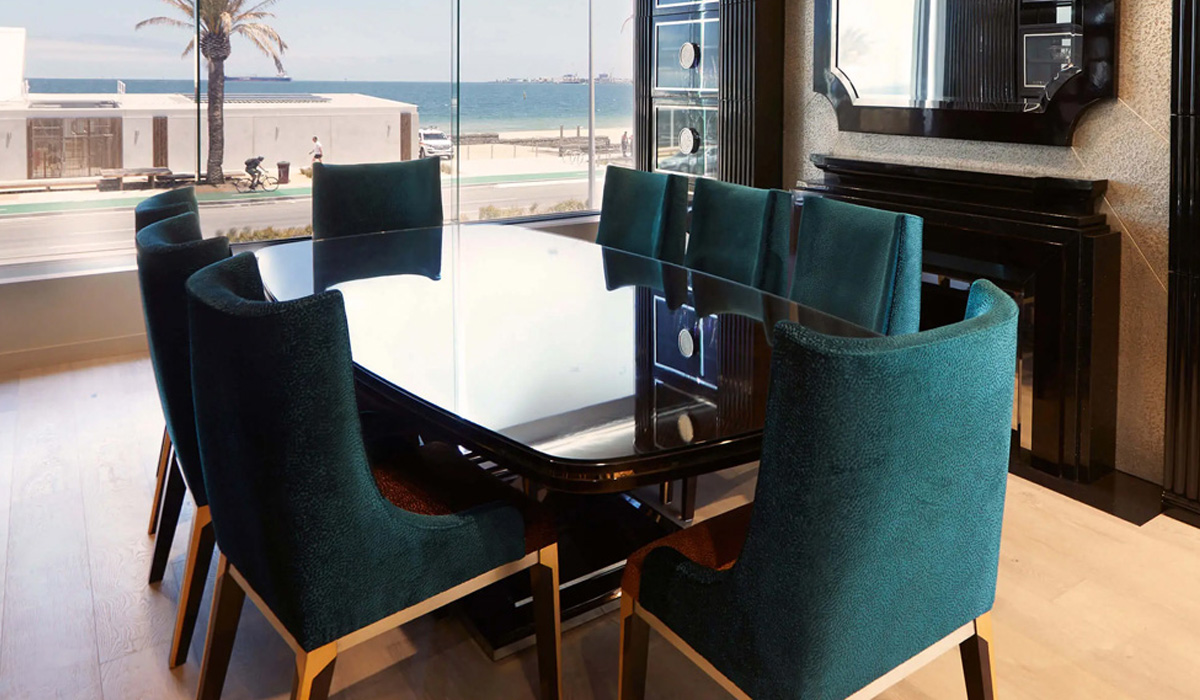
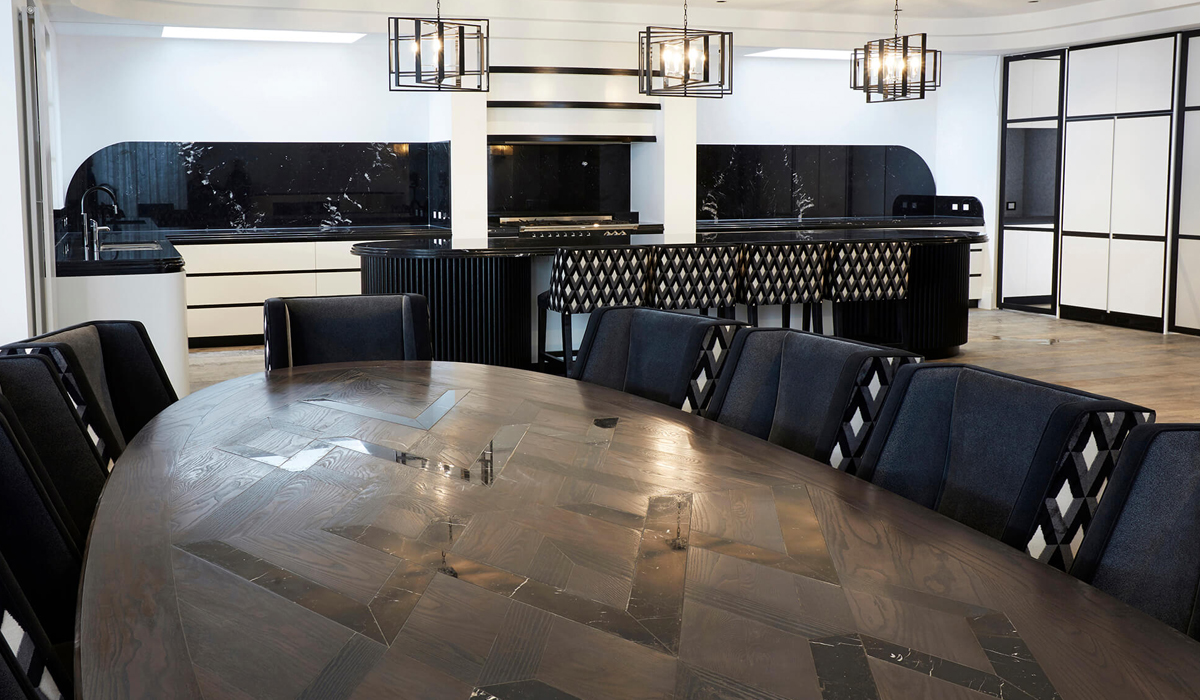
Custom elements should feel like they belong, not like they were added to look impressive. In luxury commercial projects, this often includes joinery that resolves awkward structure, a feature wall that anchors sightlines, sculptural lighting that gives the ceiling a purpose, or custom furniture that fixes scale and comfort at once. A luxury furniture designer plays a key role here. They can shape pieces around circulation, dwell time, and wear patterns, rather than forcing residential thinking into a commercial shell.
Restraint matters. A top interior designer will often choose fewer hero moves and execute them cleanly. Too many statements dilute the statement.
Total Integration That Locks The Details Together
The difference between “nice” and memorable often sits in integration. Lighting, materials, acoustics, and circulation have to work as one system. For example, a bar might look sharp in daylight, then fall flat at night if the lighting doesn’t graze the right surfaces. Or a boardroom might photograph well, yet fail in use because the acoustics were ignored.
Integration also includes durability and maintenance. Luxury commercial projects need finishes that age well, junctions that can be cleaned, and materials that cope with traffic. A luxury interior designer who thinks about upkeep early protects the design long after handover.
Conclusion
True artistry turns luxury commercial projects into architectural statements by holding three things together: clear narrative, selective custom work, and total integration. It’s disciplined, not decorative. It respects proportion, material truth, and how people actually use the space.
If you’d like to discuss a luxury commercial project with Luxury interior designer and furniture manufacturer Mark Alexander, get in touch. Every item of furniture made by luxury interior designer and furniture manufacturer Mark Alexander is bespoke, made for your area, made for your space. Discover Mark Alexander’s design process by clicking here.