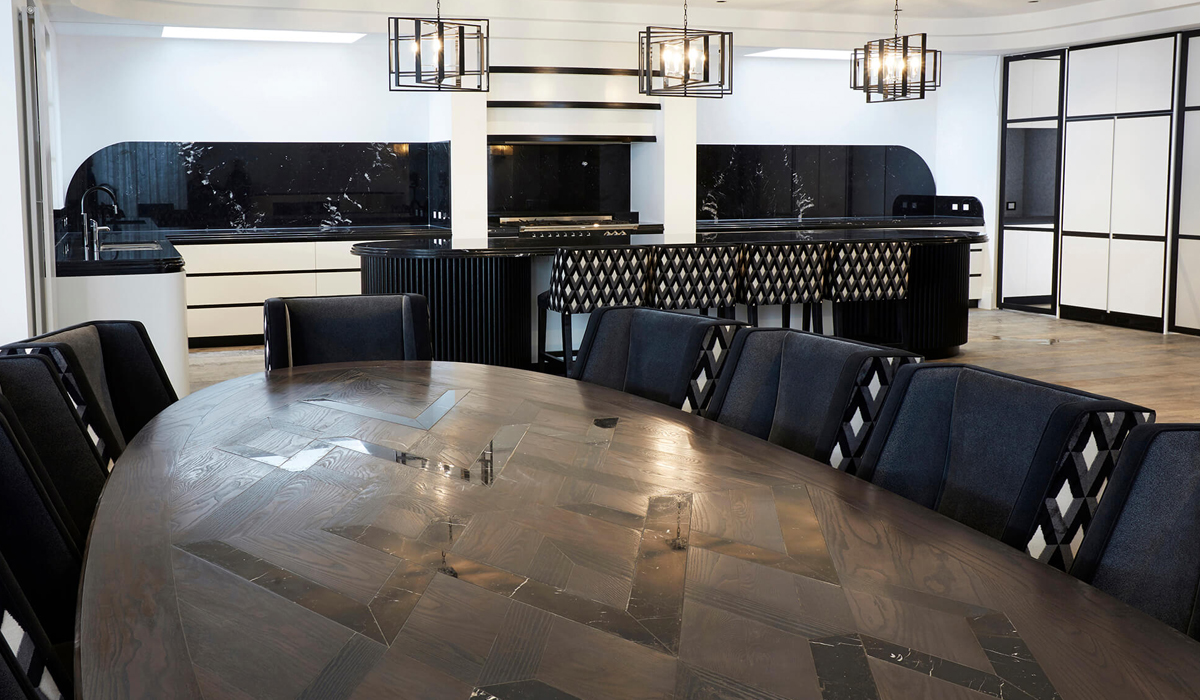
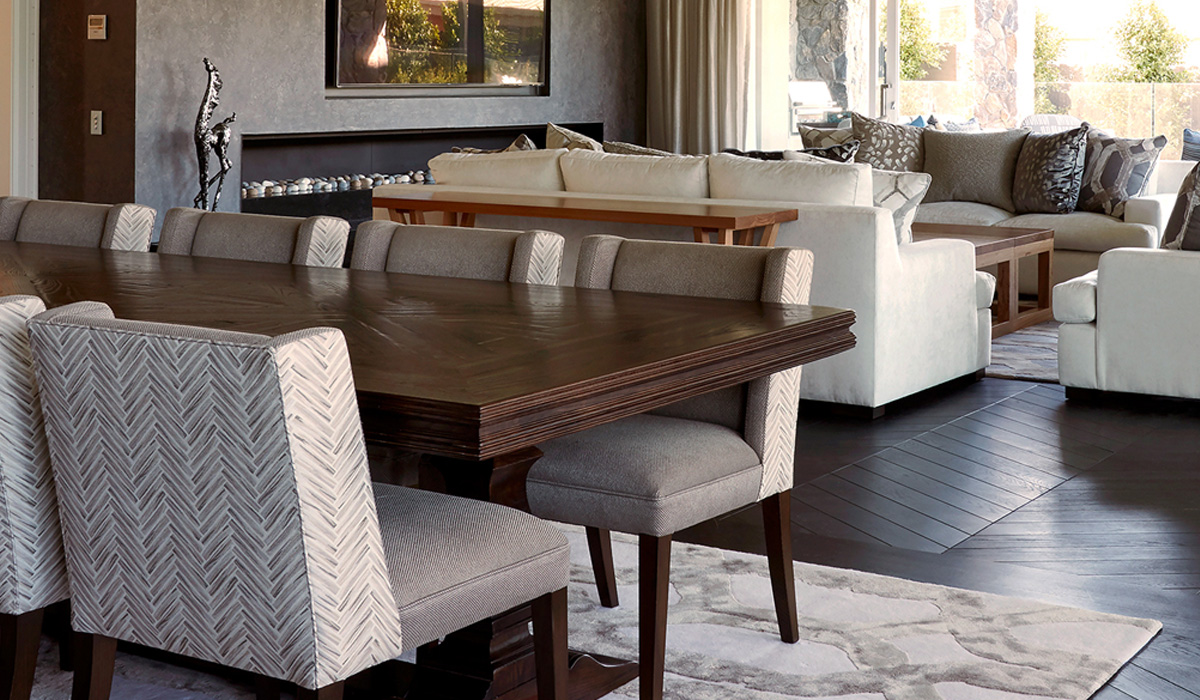
Why Luxury Interior Design Without Process Leads to Expensive Mistakes
A luxury space can look perfect on paper and still turn into an expensive headache on site. You’ve probably seen it happen. The concept is strong, the mood boards are sharp, and everyone feels confident, until the first variations land, the joinery doesn’t align with the services, and the “quick changes” start stacking up. That’s where a top interior designer separates style from delivery.
What Process Actually Means In Luxury
In luxury work, a process is a clear sequence of decisions that protects quality and cost. It’s how a luxury interior designer keeps the project coherent from first brief to final install. At a practical level, it usually follows a simple path: introductory consultation, then planning and design development, then production, then delivery and fit out. Nothing glamorous. Just disciplined.
Why does luxury demand more structure? Because the stakes are higher. Custom made furniture take time. Lead times are real. Materials can be scarce, fragile, or difficult to match. A luxury furniture designer may need weeks for prototypes, approvals, and fabrication. If decisions drift, the build pays for it later.
The Expensive Mistakes That Show Up When There’s No Process
When a project runs without a clear method, the costs rarely arrive in one dramatic moment. They arrive in small, avoidable hits.
Scope Creep Disguised As “Small Changes”
A “minor” adjustment rarely stays minor. Move a wall line, and the cabinetry set-out changes. Shift a lighting position, and electrical rough-in follows. Swap a finish, and edge details or substrate choices may need rework. The best interior designers treat changes as part of a controlled decision flow, not a casual text message.
Budget Blowouts From Vague Specifications
Luxury budgets get shaky when the specification is fuzzy. “Marble-look” is a classic example. That phrase could mean porcelain slab, engineered stone, or natural stone, each with different costs and installation demands. The same goes for hardware grades, upholstery performance, and whether a piece is custom-made or selected off the shelf. A top interior designer pins these details down early so the pricing reflects the real build.
Procurement Delays And “Availability Surprises”
Procurement isn’t shopping. It’s project logistics. Stone, specialist lighting, and custom joinery often carry long lead times, and they don’t politely wait for late decisions. If key items are ordered too late, the schedule breaks. Then trades reschedule, access windows change, and the site starts running on stop-start energy. A luxury interior designer with a solid process treats procurement as part of design, not an afterthought.
Trade Clashes And Rework
This is where money evaporates. Cabinetry clashes with services. Lighting plans conflict with ceiling details. Set-out errors force adjustments that nobody budgeted for. Rework costs twice: once to do it, and again to undo it. The best interior designers spend real time coordinating drawings and site conditions before fabrication begins. It’s less drama later.
Finish And Proportion Misses
Luxury depends on proportion. Get the scale wrong and the space feels tight, even if the finishes are expensive. Sightlines can be awkward. Circulation can pinch. Lighting layers can miss key surfaces, leaving the room flat at night. A top interior designer checks these things early, using plans, elevations, and mock-ups where needed, so the room works as well as it looks.
Quality Failures That Cost Twice
Some “savings” aren’t savings. Cheap substrates, rushed fabrication, or careless installation can create issues that show up months later. Warping. Lipping. Loose hardware. Poor joins. Repairs in a finished space cost more than doing it right the first time. A strong process gives a luxury furniture designer and the broader team the time and clarity to build and install properly.
Conclusion
Luxury interior design outcomes don’t come from taste alone. They come from clear decisions, coordinated documentation, and controlled production.
If you’d like to discuss how Luxury interior designer and furniture manufacturer Mark Alexander approaches the process on luxury projects, get in touch and outline your scope, timeline, and priorities. Every item of furniture made by luxury interior designer and furniture manufacturer Mark Alexander is bespoke, made for your area, made for your space.