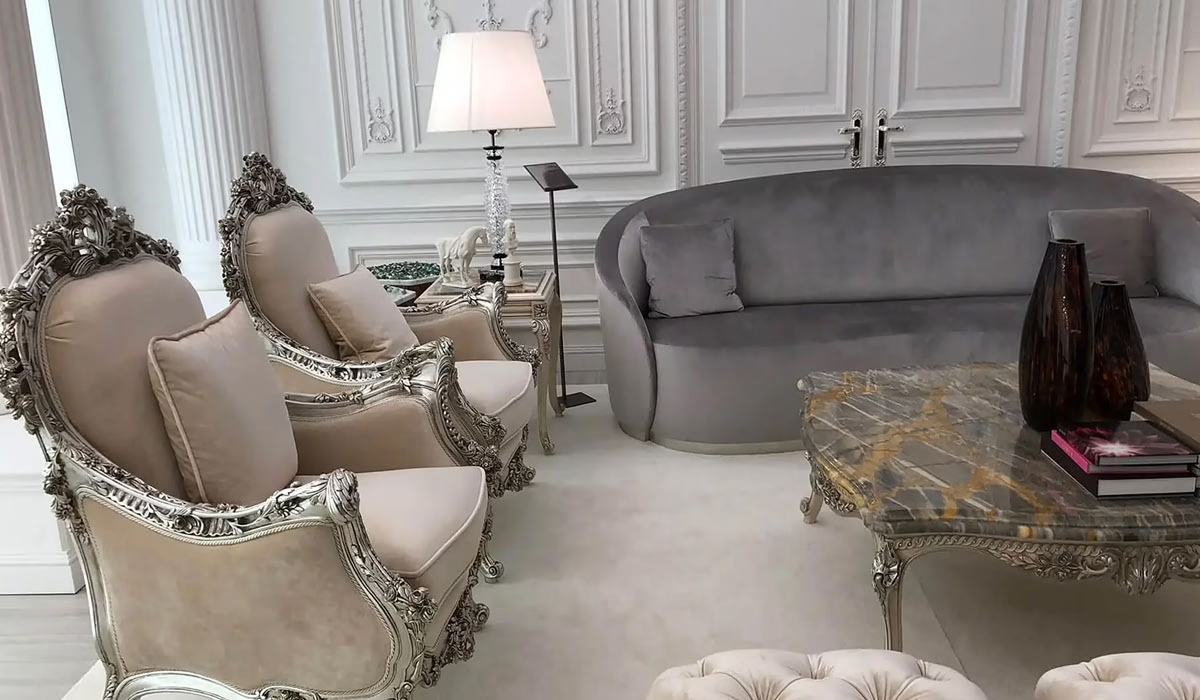
What is a Luxury Top Interior Designer?
A luxury top interior designer takes responsibility for the whole interior: how each room is planned, what furniture goes into it, how that furniture is made, and how the finished home is installed and styled. The title is earned through completed work that feels effortless to live in, not through a certificate or a job title.
That matters because anyone can call themselves a top designer. There is no official ranking in Australia, and interior design is not a registered profession, so the label carries only as much weight as the work behind it. This guide explains what separates the genuinely exceptional interior designers, the skills you should expect them to bring, and how to recognise them when you are choosing one for your home.
What Does “Top Interior Designer” Mean When There Is No Official Ranking?
It means an interior designer whose finished work consistently shows sound judgement, real range and a high standard of making. Because no authority awards the title, you have to judge it from evidence.
Three kinds of evidence tell you the most. The first is completed interiors, photographed as whole rooms rather than styled corners. The second is the furniture: whether it was designed for each room or chosen from a catalogue. The third is the process, meaning how clearly the interior designer can explain what happens between your first conversation and the day the last piece is placed. An interior designer who is strong on all three has earned the description.
How Is Luxury Interior Design Different from Standard Interior Design?
Luxury interior design is built around one household and one set of rooms, with furniture, joinery and finishes designed for them. Standard interior design is more likely to select from existing products and fit them into the space as well as possible.
The difference is easiest to see side by side:
| Standard interior design | Luxury interior design | |
| Furniture | Chosen from supplier ranges in standard sizes | Designed or made to suit each room |
| Scope | Often one room at a time | The whole home planned together |
| Materials | Selected mainly for appearance | Selected for appearance and how they perform over years |
| Details | Joinery and furniture placed where they fit | Joinery aligned with windows, ceilings and furniture lines |
| After handover | Project ends at delivery | Ongoing care advice and help with future additions |
None of this is about spending more for its own sake. It is about decisions being made for your home rather than for an average one.
Which Skills Does a Top Interior Designer Bring to Your Home?
A leading interior designer brings three skills that rarely appear together: an eye for proportion, deep knowledge of materials and how furniture is made, and the ability to lead a project from drawing to installation.
How Does an Interior Designer Judge Proportion and Scale?
Good interior designers start with proven guidelines and then adjust them to the room. A coffee table usually sits about 40 to 45 centimetres from the front of a sofa, close enough to reach and far enough to walk past. Around a dining table, roughly 90 centimetres behind each chair lets people sit down and move without squeezing. A pendant light over a dining table generally hangs 75 to 85 centimetres above the tabletop.
The skill lies in knowing when to break these guidelines. A room with high ceilings and a long wall of glass may need a larger sofa than the numbers suggest, or a lower, longer piece to keep the view clear. That judgement comes from having seen many rooms finished, and it is one of the clearest signs of an experienced interior designer.
Why Should an Interior Designer Understand How Furniture Is Made?
Because the furniture is what you use every day, and its quality is mostly hidden. The frame inside a sofa, the density of its cushions, the way a table is joined and how a timber finish reacts to sunlight all decide whether a piece still looks and feels right in ten years.
An interior designer who understands construction can specify these details with confidence, or design pieces that no supplier offers. For a closer look at the two ways interior designers source furniture, read Are you hiring a manufacturing top interior designer or just a buying one.
What Does Strong Project Leadership Look Like?
It looks like a clear sequence with approvals at each stage, so nothing is made until you have seen and agreed to it. You should receive drawings and material samples before production, updates while pieces are being made, and a finished installation rather than a pile of deliveries.
Our article on what a luxury interior designer really does walks through each stage of a luxury project in detail.
How Does a Leading Designer Approach a Contemporary Home?
They start with how the household lives, then read the architecture, and only then settle on a style. Contemporary homes bring particular challenges: large open plan spaces, generous glazing and hard surfaces that can feel cold or echo.
A skilled interior designer solves these by creating zones within open spaces using rugs, lighting and furniture groupings, and by softening hard lines with textiles and curved forms. Curved and modular seating is especially useful here, because it fills a large room generously while encouraging conversation. Luxury interior designer, furniture designer and manufacturer, Mark Alexander used exactly this approach for Cartier’s Sydney flagship store, where he created a series of curved and modular luxury sofas custom designed and built for the space.
How Can You Tell a Top Interior Designer from a Merely Good One?
Look at range, experience and the depth of their answers. A good interior designer can produce an attractive room. An exceptional one can produce very different rooms for very different people, and explain every decision behind them.
The articles in this series look at each test in turn:
• Range: can they design convincingly in more than one style? See whether your interior designer is among the top interior designers with range.
• Experience: have they finished enough comparable projects? See why you should choose a top interior designer before letting an inexperienced one work on your home.
• Credentials versus ability: what a qualification does and does not tell you. See what separates a top interior designer from one who is only qualified on paper.
• Role: is an interior designer, a stylist or an engineer the right person for your project? See the difference between a top interior designer and a stylist and top interior designer vs civil engineer.
Where Do Leading Interior Designers Work in Australia?
Many established studios work across Melbourne, Sydney, Brisbane and Adelaide rather than in a single city. What matters is that the interior designer visits your home, because light, climate and architecture differ from one city to the next.
A Brisbane home designed for subtropical living needs different fabrics and layouts from a Sydney apartment facing harbour light. Read why a top interior designer in Brisbane thinks beyond architecture, or our guide to working with an interior designer in Sydney.
How Does Luxury Interior Designer, Furniture Designer and Manufacturer, Mark Alexander Work?
Mark Alexander designs the interior and then manufactures the furniture for it in his own studio in Australia. Mark Alexander Design Artistry was established in 1981, after Mark Alexander trained in French polishing and furniture manufacturing, and the studio describes itself as Australia’s only interior designer with in house furniture manufacturing.
For clients, that means the sofa in the drawing is the sofa that arrives, made to the dimensions of the room. Clients approve hand drawn concepts and fabric selections before production, receive photo and video updates while pieces are made, and have everything delivered, placed and styled by the studio. If you have struggled to find furniture that suits the scale of your rooms, or an interior designer who can take responsibility for both the design and the making, this is the gap the studio fills. Read more in what makes Mark Alexander a top interior designer in Australia, or browse the portfolio.
How Should You Prepare to Meet a Top Interior Designer?
Prepare by gathering what helps the interior designer understand your home and your life. A little preparation makes the first appointment far more useful.
Bring or send:
• Photos of each room you want to change, taken in daylight
• Floor plans or rough measurements, if you have them
• Images of interiors you like, and a few you dislike
• A short note on how you use each room and what frustrates you now
• Any furniture or art you want to keep
Luxury interior designer, furniture designer and manufacturer, Mark Alexander works by private appointment and in home consultation. Book through the Interior Designer Melbourne, Interior Designer Sydney or Interior Designer Brisbane page, or call 1300 133 326.
Frequently Asked Questions About Top Interior Designers
What does luxury interior design mean?
It means an interior designed around one household, with furniture, joinery and finishes created or chosen specifically for its rooms. The luxury lies in how precisely the home suits the people living in it, not simply in expensive materials.
Is there an official list of top interior designers in Australia?
No. There is no official ranking, and interior design is not a registered profession. Awards and editorial features can help, but finished projects are the most reliable evidence of an interior designer’s standard.
What is the difference between a luxury interior designer and a regular interior designer?
A luxury interior designer typically designs custom furniture and joinery, plans the whole home and manages the project through to installation. A regular service is more likely to select existing products and cover a narrower scope.
How far should a coffee table be from a sofa?
Around 40 to 45 centimetres is a common guide. It keeps the coffee table within easy reach while leaving enough space to walk past comfortably.
Do top interior designers only take on whole homes?
No. Many also design single rooms or individual pieces of furniture. The same standard of design and making should apply whatever the size of the project.